Why Your Top Performers Burn Out First
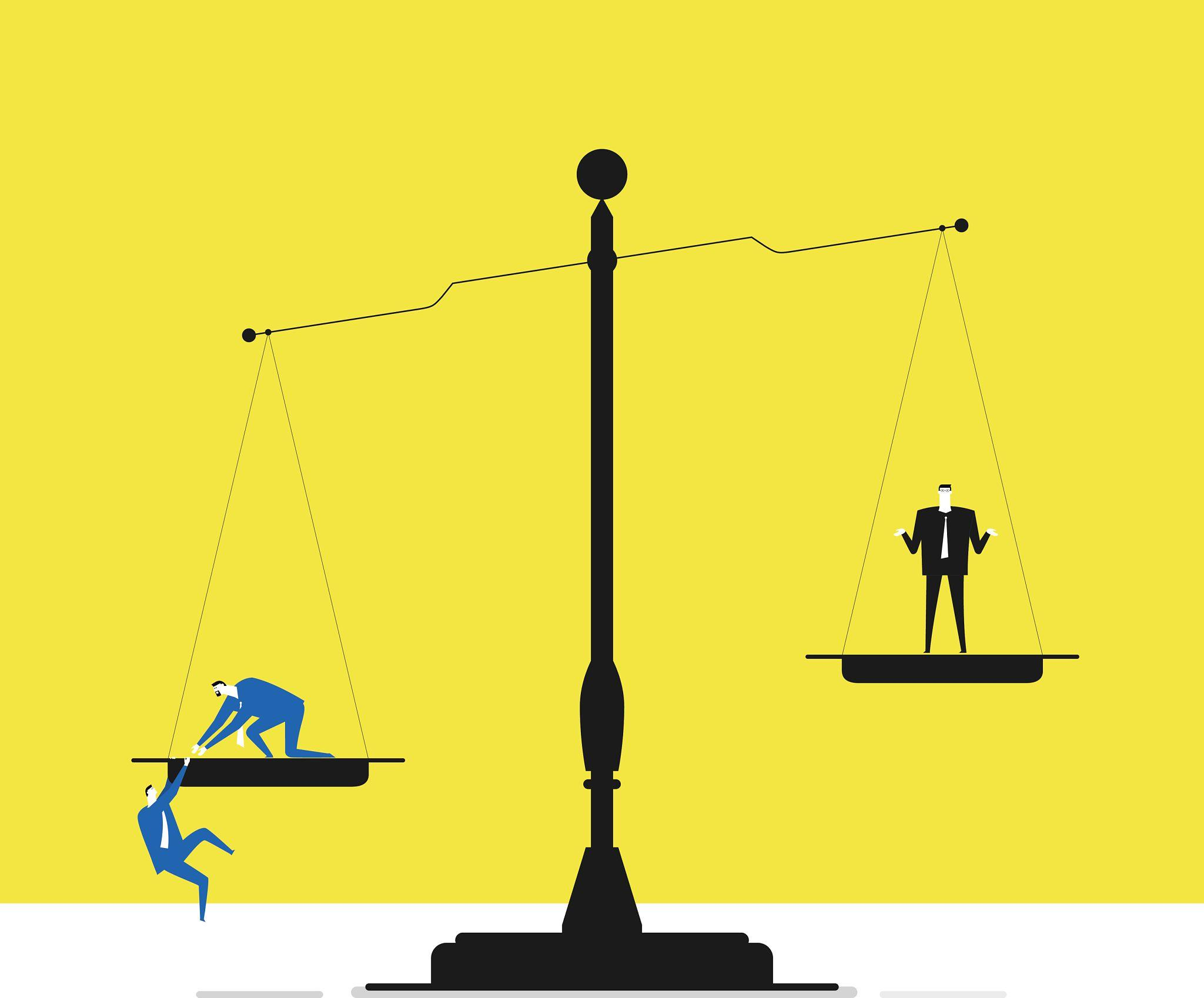
It doesn’t usually happen to your weakest people.
It happens to your best ones.
The people who show up early. Take ownership. Deliver without excuses. Solve problems before they become visible.
They’re the ones leaders trust the most.
And they’re often the first to burn out.
How It Starts
It rarely looks like a problem at the beginning.
A top performer handles a tough project—so you give them another.
They step in to fix an issue—so you rely on them again.
They deliver consistently—so they become the go-to person.
Before long, they’re carrying more than their share.
Not because they asked for it.
Because they can handle it.
The Quiet Imbalance
High performers don’t usually complain. That’s part of the problem.
They take pride in their work. They want to help. They don’t want to let the team down.
So they keep saying yes.
Meanwhile:
- Other team members plateau
- Work becomes unevenly distributed
- Expectations quietly shift higher for the same people
And the leader often doesn’t notice until something changes.
What Burnout Looks Like
Burnout in top performers doesn’t always show up as failure.
It shows up as:
- Lower energy
- Less initiative
- Reduced engagement
- Quiet disengagement
The person who used to lean in starts pulling back.
Not because they don’t care.
Because they’re exhausted.
Rewarding the Right Way
Many leaders unintentionally reward high performers with more work.
But that’s not a reward. It’s a slow path to burnout.
Better alternatives:
- Give them ownership, not just volume
- Involve them in bigger decisions
- Create growth opportunities, not just more tasks
- Recognize their contribution—publicly and specifically
Top performers don’t just want more to do.
They want to grow and have impact.
Build a Stronger Bench
The long-term fix isn’t protecting top performers by limiting them.
It’s building a team where more people can operate at a high level.
That means:
- Coaching average performers up
- Distributing responsibility more evenly
- Letting others struggle and learn instead of defaulting to the same few people
A balanced team performs better—and lasts longer.
Final Thought
Top performers don’t burn out because they’re weak.
They burn out because they’re strong—and leaders rely on that strength too much.
The goal isn’t to get more out of your best people.
It’s to build a team where they don’t have to carry the load alone.