AI Isn’t Coming—It’s Here: How to Make Smarter Decisions in 2026
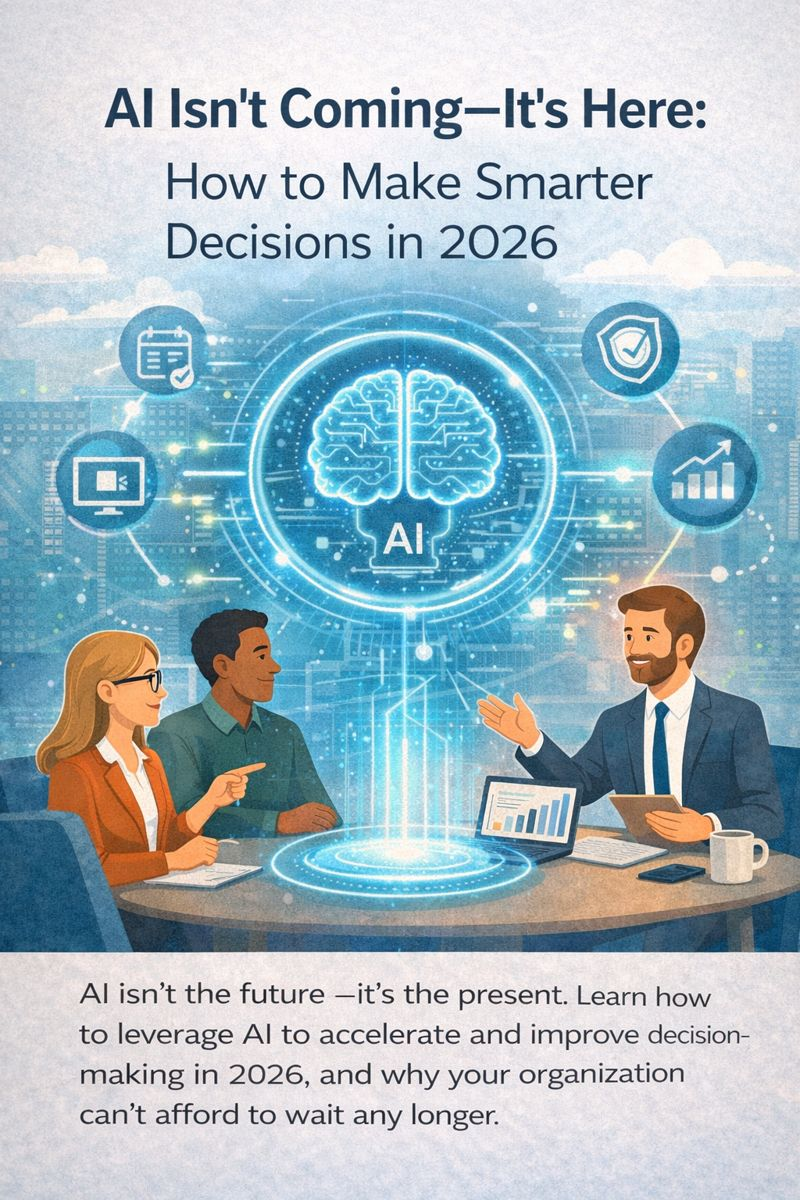
Enterprise leaders who are still talking about the future of AI are already behind. In 2026, AI isn’t a trend to watch—it’s a capability to master. The real conversation now is: how do we embed it into daily decision-making to move faster, smarter, and with less guesswork?
Decision Velocity is the New Competitive Advantage
CIOs and CTOs are under pressure to deliver results faster. But the winners aren’t just accelerating decisions—they’re improving them. AI is giving leaders the ability to process complex datasets, model outcomes, and get clarity on risk before the first move is made.
At Intertech, we’ve seen this firsthand. Whether it’s fine-tuning product development roadmaps or optimizing operational workflows, AI-driven insights are changing how decisions get made—and who gets to make them.
Practical AI, Not Hype
Forget the moonshot scenarios. The most valuable AI tools in 2026 are the ones enhancing real workflows. Leaders are deploying models to:
- Prioritize backlogs based on customer impact
- Improve forecasting with historical and real-time data
- Flag inefficiencies or security risks before they become problems
And thanks to platforms like Intertech’s UnifiAI, our clients are doing this with tools purpose-built for software development. From planning to deployment, we’re integrating AI to support better decision-making without disrupting team flow.
The Human-AI Partnership
AI isn’t replacing leadership—it’s elevating it. The smartest companies are training their teams to ask better questions, interpret AI-generated recommendations, and use those insights as a launchpad for innovation. The future belongs to those who know how to collaborate with AI, not compete with it.
Ready or Not, the Shift is Here
If your organization still treats AI as a pilot project or fringe initiative, now’s the time to course-correct. Set clear business goals. Train your team. Choose tools that integrate with your workflows. And remember: in 2026, smart decisions aren’t just human-powered—they’re AI-enabled.