The Hard Truth About Missed Deadlines (And What to Do Next)
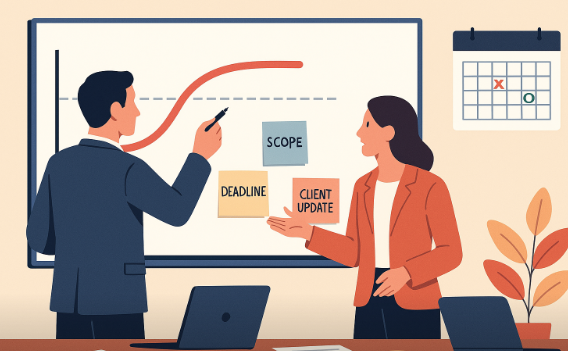
Missed deadlines aren’t just inconvenient—they’re costly. For CIOs and business leaders, schedule slippage can damage credibility, shake client confidence, and jeopardize long-term goals. But the truth is, delays happen—even on well-run projects.
What matters is how you respond.
Why Deadlines Slip (Even When You Plan Carefully)
Most software delays aren’t caused by laziness or lack of effort. They’re the result of one or more of the following:
- Scope creep disguised as “small changes”
- Underestimated complexity, especially with integrations
- Lack of early discovery to uncover hidden requirements
- Unrealistic expectations set during sales or kickoff
- Poor communication between stakeholders and devs
At Intertech, we’ve seen it all—and helped fix it all. That’s why we start every engagement with a rigorous discovery phase, use daily huddles to maintain visibility, and communicate early if anything veers off-track.
What To Do When a Deadline is at Risk
Here’s a battle-tested, leadership-level playbook for when you suspect a delivery date may be slipping:
- Acknowledge the reality.
Ignoring it doesn’t make it better. Have a frank internal conversation to determine the root cause. - Communicate with clients early.
Clients don’t like bad news—but they really hate surprises. Tell them what’s happening, why, and how you’re adjusting. - Re-baseline with clear next steps.
Adjust your timeline, prioritize the must-haves, and ensure every stakeholder is aligned. - Audit your process.
Did something break in discovery? Were stories not sized right? Use the moment to tighten your delivery pipeline. - Take care of the team.
Pressure to “catch up” can burn out your developers. Sustainable pace > heroic sprints.
Turning the Ship Around
A missed deadline doesn’t mean a failed project. It’s a signal. If handled well, it can reset expectations, realign teams, and even deepen client trust through transparency.
Our consulting approach is built around this philosophy. We stay flexible, keep communication open, and help our clients course correct fast—because we’ve done it before.